real estate asset management optimisation on the chinese mainland: adapting to a transitioning market
dec 11, 2024
shanghai, december 11, 2024 —cushman & wakefield, a leading global real estate services firm, today released its annual think-in report titled real estate asset management optimisation on the chinese mainland: adapting to a transitioning market report. this report explores the importance of real estate asset management optimisation on the chinese mainland during a time of market change. specifically, our report focuses on three major commercial property sectors, namely office, retail and industrial.
real estate asset management is crucial for maximising the value and efficiency of real estate, including grade a offices, shopping centres and smart factory space on the chinese mainland.
the basic workings of real estate asset management
x
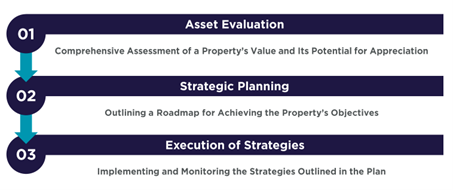
source: finance strategists, cushman & wakefield research
by effectively managing assets, owners and operators can maximise value, minimise risk, enhance operational efficiency, improve safety, and ensure a sustainable future for their properties.
selected benefits and challenges associated with real estate asset management
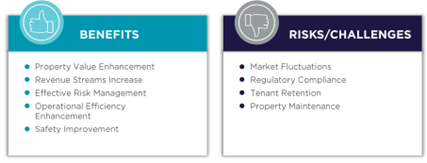
source: finance strategists, cushman & wakefield research
smart factory properties on the chinese mainland:
• ensuring operational efficiency: proper asset management minimises downtime, optimises production processes, and ensures smooth operations, leading to increased productivity and higher output.
• extending asset lifespan: regular maintenance and preventive measures extend the lifespan of equipment and machinery, reducing the need for costly replacements.
• improving safety and compliance: adhering to safety regulations, implementing safety protocols, and providing worker training minimises accidents and ensures a safe working environment.
• reducing operational costs: optimising energy consumption, implementing efficient waste management practices, and minimising downtime through preventive maintenance reduce operational costs.
• enhancing environmental sustainability: implementing environmentally friendly practices, such as reducing waste, conserving energy, and minimising emissions, enhances the property's sustainability and reduces its environmental impact.
shaun brodie, head of research content, greater china, cushman & wakefield, said, “embracing these recommendations will help related businesses navigate the evolving landscapes of office, retail, and industrial factory properties on the chinese mainland and create a more sustainable and successful future.”
xiaoduan zhang, head of research, south & central china, cushman & wakefield, said: “investment management, operations and maintenance, client management and financial management are essentials in a real estate project. however, it is difficult to achieve the desired outcome if we simply traditionally integrate these elements into a real estate project process. instead, we deploy a full asset management lifecycle model, including the stages of acquisition, operations, value-add and value realization, together aiming to improve asset efficiency, lower costs, mitigate risks, and adapt the project to market environment. this cycle works as a closed loop ending with the asset value realization."
please click to download the full report.